
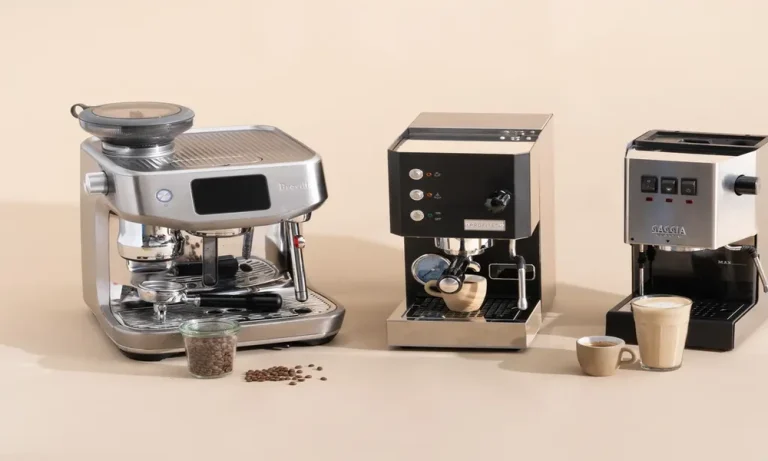
Scoring a top-tier espresso machine without draining your wallet is not magic. It is a combination of timing, research, and a few clever shopping tactics. Whether you are eyeing a sleek Nespresso for your condo or a Jura for a home café setup, understanding where and how to find hidden savings can turn a routine purchase into a genuine win.
Unlocking Value: The True Cost of Espresso Machines
It is easy to get distracted by price tags, but the real sticker shock often comes from unexpected add-ons: accessories, shipping, or even a missing return policy. Savvy shoppers compare more than just the upfront price. They factor in long-term costs, like maintenance, warranty coverage, and available discounts.
What traps do buyers fall into most often? Many rush in during a perceived sale without recognizing that the “discount” price is standard elsewhere. Others overlook expensive accessories or recurring supply costs. Checking reviews and policies ahead of time helps you measure true value, not just the initial cash outlay.
Case Study: Navigating GSM Depot’s Espresso Machine Selection
GSM Depot offers an eclectic lineup, with everything from entry-level Nespresso machines to high-end Jura models. The range includes brands like Ninja, Miele, and Lavazza, ensuring options for every budget and taste. Their website makes it straightforward to filter by price, brand, and product category, saving both time and guesswork.
Spotting the best deals is about more than just red “Sale” tags. GSM Depot rotates discounts on popular models, sometimes as much as 35% off Nespresso Vertuo Pop+ units. Repeat visitors often notice price drops around long weekends or when new models launch. Because shipping is free above $129.99 and the return policy extends to 90 days, shoppers can factor in savings on logistics and peace of mind when comparing offers.
Timing is Everything: When to Buy for Maximum Discounts
Patience can pay off big. Seasonal sales, think Boxing Day, Black Friday, or even back-to-school, often see the steepest discounts as retailers clear inventory or launch new lines. Flash sales and limited-time clearance events can drop prices further, but these require quick decisions and sometimes a bit of luck.
Subtle price adjustments also happen when newer models debut. Retailers push out the last stock of previous generations, often with bundled bonuses or extra discounts that you will not find at other times of year.
Brand Strategies: Comparing Big Names for Best Deals
Not all deals are created equal. Nespresso and Ninja, for instance, frequently headline sales, making them attractive to first-timers and seasoned espresso lovers alike. Let us compare savings across big brands at GSM Depot:
| Brand | Regular Price Range | Max Discount Seen | Typical Sale Features |
|——————|——————–|——————-|————————————–|
| Nespresso | $109.99 – $219.99 | 35% off | Bundled frothers, color options |
| Ninja | $149.99 – $799.99 | 15% off | Multi-function, pod compatibility |
| Jura | $2,095 – $2,750 | Rare, up to 10% | Premium build, automatic features |
| Lavazza/Frigidaire| $174.99 – $229.99 | Up to 10% | Compact, entry-level |
Mid-tier machines (like Ninja) can offer robust features without the premium price tag of a Jura. But for those chasing café-quality espresso and durability, the upfront investment in a high-end model can pay off over years of daily use.
Smart Shopping Tools and Techniques
The savvy buyer never shops blind. GSM Depot’s price filters and sorting tools let you zero in on models within your budget or see which products recently dropped in price. Many shoppers set alerts or use browser extensions to track price changes on their top picks, ensuring they strike when the price is right.
Hidden Savings Beyond the Sticker Price
Discounts do not end with markdowns. Look for bundle offers, machines paired with milk frothers or starter pods, for example, that can shave a surprising amount off your total spend. Cashback deals and extended warranties may not be as flashy as a price drop but can add hidden value over time. Loyalty programs and coupon codes frequently offer an extra 5-10% off, especially to repeat customers or email subscribers.
Real Buyer Behavior: Lessons from Smart Espresso Shoppers
Veteran shoppers know that researching return policies and warranty options can save hundreds on replacement or repair costs. Often, buyers who spend an extra five minutes reading the fine print or comparing shipping terms walk away with better deals and fewer regrets.
However, common mistakes still trip up first-timers: buying at the wrong time, missing out on bundles, or failing to compare warranty coverage. Learning from others’ successes, and their missteps, streamlines your path to savings.
Wrapping Up: Crafting Your Personalized Savings Strategy
Before you purchase, double-check for hidden offers, review the latest bundles, and keep a close eye on price drops. Using resources like GSM depot espresso machine deals can help you compare current sales, spot genuine bargains, and avoid common pitfalls.
A quick checklist for smart shopping:
– Compare upfront and long-term costs.
– Use price filters and set alerts on your favorite models.
– Watch for bundle deals and cashback offers.
– Check shipping and return policies before you buy.
– Wait for major sales when possible.
Strategic shopping turns espresso machine hunting from a chore into a triumph. With research, patience, and the right timing, the espresso machine you want might be much closer to your price range than you ever imagined.
