
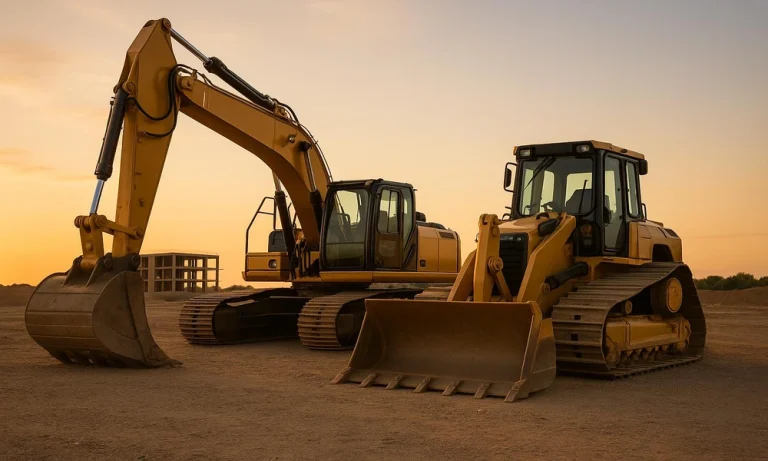
The moment a construction or landscaping project grows beyond a few tools in the back of a van, the question of heavy machinery rental comes into sharp focus. While renting offers flexibility and cost savings, it isn’t without hurdles. Navigating these obstacles successfully can be the difference between a project that runs smoothly and one that derails before breaking ground.
Navigating the Complexities of Heavy Machinery Rental
Project managers face a critical decision early on: what equipment is truly needed, and for how long? The scale of a job may change, and so do the tools required to get it done efficiently. Each type of machinery comes with its own prerequisites for operation, transportation, and site preparation. Factor in the fickle nature of construction timelines and it’s clear: planning for equipment needs is a puzzle with many moving pieces.
For some, the question arises whether to rent or buy. Buying machinery is a major investment, one often justified only for large firms with ongoing, repetitive needs. For most contractors and even larger DIYers, renting provides access to a vast inventory without the long-term commitment or maintenance headaches.
Rental companies play a pivotal role here, not only as providers but as true partners in project success. Their expertise can help clarify what equipment best fits a project and what services, like repairs or delivery, can keep everything running smoothly.
Common Challenges Faced When Renting Heavy Machinery
Even with the best intentions, several pain points can catch renters off guard.
Equipment Availability and Scheduling Conflicts
Popular equipment can be booked up, especially during peak seasons. Suddenly, that must-have skid steer or compactor is nowhere to be found just when the project needs it most. Juggling availability with project milestones can make even the calmest project manager sweat.
Hidden Costs and Budget Overruns
Initial quotes rarely tell the whole story. Additional fees for delivery, fuel, cleaning, and overtime can appear, inflating the final bill beyond the original estimate. Without careful scrutiny, budget creep becomes a real risk.
Understanding Rental Agreements and Liability
Rental contracts are often dense, filled with jargon about insurance, damage waivers, and liability. Failing to grasp who is responsible for what in the event of breakdowns, accidents, or theft can expose renters to costly surprises.
Equipment Maintenance and Reliability Concerns
Nothing stalls a job like a machine that refuses to start. Older or poorly maintained equipment can lead to delays, frustration, and extra expenses as crews wait for repairs or replacements.
Transportation and Delivery Logistics
Getting heavy machinery to and from a job site in a city like Montreal is no small feat. Navigating tight timelines, traffic, and specialized equipment for loading and unloading can quickly complicate logistics.
Strategies for Overcoming Rental Challenges
Preparation and partnership are the best lines of defense against these pitfalls.
– Plan Ahead: Reserve key equipment as early as possible, especially for projects with fixed deadlines. Communicate schedules clearly with your rental partner.
– Scrutinize Rental Contracts: Take time to review agreements in detail, paying special attention to insurance, damage, and late-return clauses. Ask questions before signing.
– Build Relationships With Rental Experts: Regular partners, like those at Location Ferrento, offer invaluable advice on equipment selection and how to avoid common snags.
– Prepare Your Site: Ensure ground conditions, clearances, and access routes are ready for machinery. This reduces delays caused by on-site complications.
– Leverage Maintenance Services: Choose rental centers that offer quick repair and maintenance services, so equipment issues are resolved before they become project killers.
Maximizing Value from Your Rental Experience
Getting the most from a rental means matching the right machine to the job and using it correctly.
– Select equipment based on precise project needs, not just what’s available.
– Invest in operator training or ask for an orientation from the rental team.
– Monitor performance and report issues promptly to minimize downtime.
– Explore flexible rental terms if project timelines might shift; some companies offer daily, weekly, and monthly options to fit changing needs.
Case Study Insights: Lessons from Location Ferrento
Real-world feedback reveals what sets a top-tier rental partner apart. Clients of Location Ferrento consistently praise the knowledge and responsiveness of staff, the extensive inventory, and reliable repair services. With a massive 35,000 sq. ft. selection and 10 trucks for rapid delivery across Montreal, they help ensure the right tool arrives on time, every time. The ability to book online, consult with experts, and access maintenance support transforms rental from a gamble into a strategic advantage.
Future Trends in Heavy Machinery Rental
Expect technology to play an ever-growing role. Advanced telematics and monitoring help prevent breakdowns before they happen, reducing unplanned downtime. Environmentally conscious options, such as battery-powered tools and fuel-efficient equipment, are gaining traction as sustainability becomes a priority. Most critically, customer service remains king. Fast, knowledgeable support and flexible options are what separate the best rental experiences from the rest.
Heavy machinery rental will always come with challenges, but with smart planning and the right partners, those challenges become opportunities to build better, faster, and with confidence.